Staying physically active is one of the most powerful ways to support health as we age—but that doesn’t mean high-impact workouts or exhausting routines. In fact, gentle, low-stress movement often delivers the biggest benefits for older adults. From improving balance and mobility to boosting mood and confidence, the right activities can support the body and the mind without pushing things too far.
Gentle physical activity isn’t about “getting fit” in the traditional sense. It’s about staying engaged with your body, maintaining independence, and moving in ways that feel good and sustainable. Here are seven gentle physical activities that support elderly health—and actually fit into everyday life.
1. Walking: Simple, Effective, and Accessible
Walking is one of the most underrated forms of exercise. It requires no special equipment, no complicated instruction, and can be adjusted to nearly any fitness level.
Regular walking helps maintain cardiovascular health, supports joint mobility, and improves balance. It’s also an excellent way to build routine into the day—whether that’s a morning stroll, a walk after lunch, or a social walk with friends.
Even short walks count. A few gentle laps around a garden or hallway can be just as valuable as longer excursions, especially when done consistently.
2. Stretching for Flexibility and Comfort
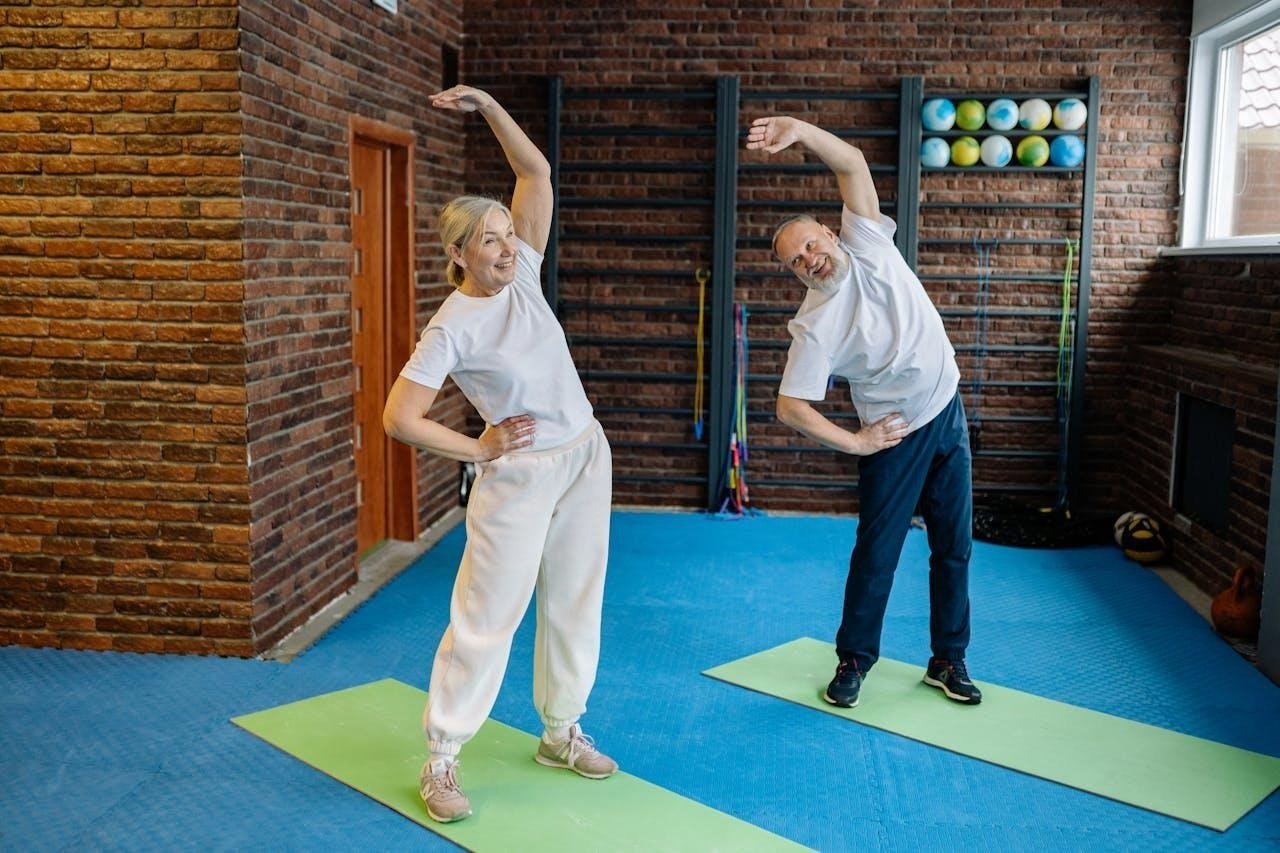
As we age, muscles naturally lose elasticity, which can lead to stiffness and discomfort. Gentle stretching helps counteract this by maintaining flexibility and easing tension throughout the body.
Daily stretching supports posture, makes movement easier, and reduces the risk of strains. Neck rolls, shoulder stretches, hamstring stretches, and gentle twists can all be done seated or standing, depending on comfort level.
Stretching is also a great opportunity to slow down, breathe, and reconnect with the body, making it as beneficial mentally as it is physically. It can also be complemented by wellness-focused supplements such as https://www.amazon.com/Nutricost-Nitric-Oxide-Booster-Capsules/dp/B09B4DWNYQ, as part of a broader routine that supports overall wellbeing.
3. Chair Exercises for Strength and Stability
Chair-based exercises are a fantastic option for building strength without putting pressure on joints. Using a chair for support allows for safe, controlled movements that focus on maintaining muscle tone and balance.
Simple exercises like seated leg lifts, arm raises, ankle circles, and gentle twists help strengthen muscles that support daily activities like standing up, walking, and reaching.
Chair exercises are especially helpful because they’re adaptable—you can increase or decrease repetitions based on how you feel that day.
4. Tai Chi for Balance and Coordination
Tai chi is often called “meditation in motion,” and for good reason. This slow, flowing practice emphasizes controlled movements, balance, and breathing.
For older adults, tai chi is particularly valuable for improving stability and reducing fall risk. The movements are gentle and deliberate, making it suitable even for those new to physical activity.
Beyond the physical benefits, tai chi supports mental clarity and relaxation, helping reduce stress and promote a calm sense of well-being.
5. Water–Based Movement for Joint Support
Water activities—such as water walking or gentle aquatic exercises—are ideal for those with joint discomfort or limited mobility. The buoyancy of water reduces stress on joints while still providing natural resistance for muscle engagement.
Movement in water supports strength, flexibility, and circulation without the impact associated with land-based activities. Even light movements can be effective, especially when paired with regular participation.
Water-based activity also offers a refreshing change of pace and often feels more playful than traditional exercise.
6. Light Gardening for Functional Movement
Gardening may not look like exercise—but it absolutely counts. Tasks like watering, planting, pruning, and light weeding involve stretching, bending, lifting, and walking in a natural, purposeful way.
Gentle gardening supports hand strength, coordination, and mobility. It also offers mental health benefits, including reduced stress and increased feelings of accomplishment.
Best of all, gardening encourages movement that feels productive rather than repetitive—making it easier to stay motivated.
7. Group Movement Programs for Motivation and Joy
Sometimes the most powerful benefit of physical activity is simply showing up. Group movement classes—whether stretching, balance work, or light aerobics—add structure, encouragement, and social connection.
These programs often focus on safe, age-appropriate movements while emphasizing enjoyment over intensity. The shared experience creates accountability and makes movement feel less like a chore.
This is one reason communities such as TerraBella in Salem often emphasize gentle group activities that support health while fostering connection and consistency.
Listening to the Body Matters Most
No matter the activity, the most important guideline is simple: listen to your body. Gentle physical activity should leave you feeling energized—not drained or sore for days afterward.
Rest days are just as important as movement days. Flexibility in routine ensures that activity supports health rather than becoming another source of pressure.
It’s also worth remembering that progress doesn’t always look dramatic. Sometimes progress looks like standing up more easily, walking a little farther, or feeling steadier on your feet.
The Bigger Picture: Movement as Daily Support
Gentle physical activities do more than strengthen muscles—they support independence. They make everyday tasks easier, reduce the risk of falls, support mental well-being, and enhance overall quality of life.
In practice, aging well isn’t about intense workouts or rigid plans. It’s about moving consistently, comfortably, and confidently in ways that support the life you want to live.
Conclusion
Supporting elderly health through physical activity doesn’t require extremes. Walking, stretching, chair exercises, tai chi, water movement, gardening, and group programs all offer meaningful benefits without unne
cessary strain.
When movement feels gentle, enjoyable, and aligned with daily life, it becomes something to look forward to—not something to avoid. And over time, those small, steady movements add up to greater comfort, confidence, and independence.